04 / PROJECT CASES

Project Cases

01

Empowering Smart Mines

Huazhi Future, a subsidiary of Maase Inc., has launched "AI for Violation Detecting" project for a large mining investment company in Xinjiang, targeting G-end (government/public sector) clients. Centered on work safety in coal mines, the project integrates Computer Vision (CV) with regulatory rules to build a safety management system that combines intelligent recognition, real-time warning, analysis, and traceability. This system can achieve high-precision recognition of behaviors such as unauthorized entry into restricted areas, not wearing protective equipments, and unauthorized leaving. It automatically generates warning messages, analysis reports, and video archives, forming a closed-loop management. On a technical level, the project uses a unified interface to complete the integration heterogeneous algorithm models, creating an AI perception platform for open coal mines. It supports customized image recognition for videos, effectively elevating the intelligence level of safety production in mining areas. Aligning with the construction requirements in Xinjiang, this project has outstanding demonstration value and promotion significance.

02

Consolidating the Computing Power Foundation

In terms of underlying computing power empowerment, Huazhi Future has reached a computing power technical service cooperation agreement with a blockchain company in Chongqing. Based on a high-end computing system, the company has computing power supported by NVIDIA A100 SXM4 80GB (24960T) , with maintenance and technical service. With a service cycle of up to 5 years, Huazhi Future will continuously provide a stable and efficient computing power supply with timely technical support. This ensures a reliable and efficient operation of computing resources, providing clients with solid infrastructure support during their business innovation

03

Assistive Digital Transformation

Huazhi Future, together with an industrial IoT innovation enterprise in Chongqing, has successfully implemented the "Digital Dual-Carbon Signing System Deployment" project. As a benchmark case for the digital and green low-carbon transformation of government and enterprise clients, Huazhi Future leveraged its deep technical expertise to tailor and develop a highly integrated, secure, and compliant digital dual-carbon signing system. This system deeply matches the complex business needs of industrial IoT scenarios. Its comprehensive functional matrix covers data overview modules, visual business dashboard, business template management, approval flow modules, file management and role-based access control and classification, arbitration management modules, and system settings modules. Through this platform, clients can achieve end-to-end digitalization, visualization, and refined permission control for dual-carbon business workflows and document signing. To ensure the long-term stable operation of the platform in complex business scenarios, Huazhi Future has also provided up to 3 years of free maintenance and technical support services for this project. This cooperation fully demonstrates Huazhi Future's strong delivery capabilities and long-term service level in customized enterprise system development and dual-carbon digital infrastructure.

04

Empowering Regional Brands

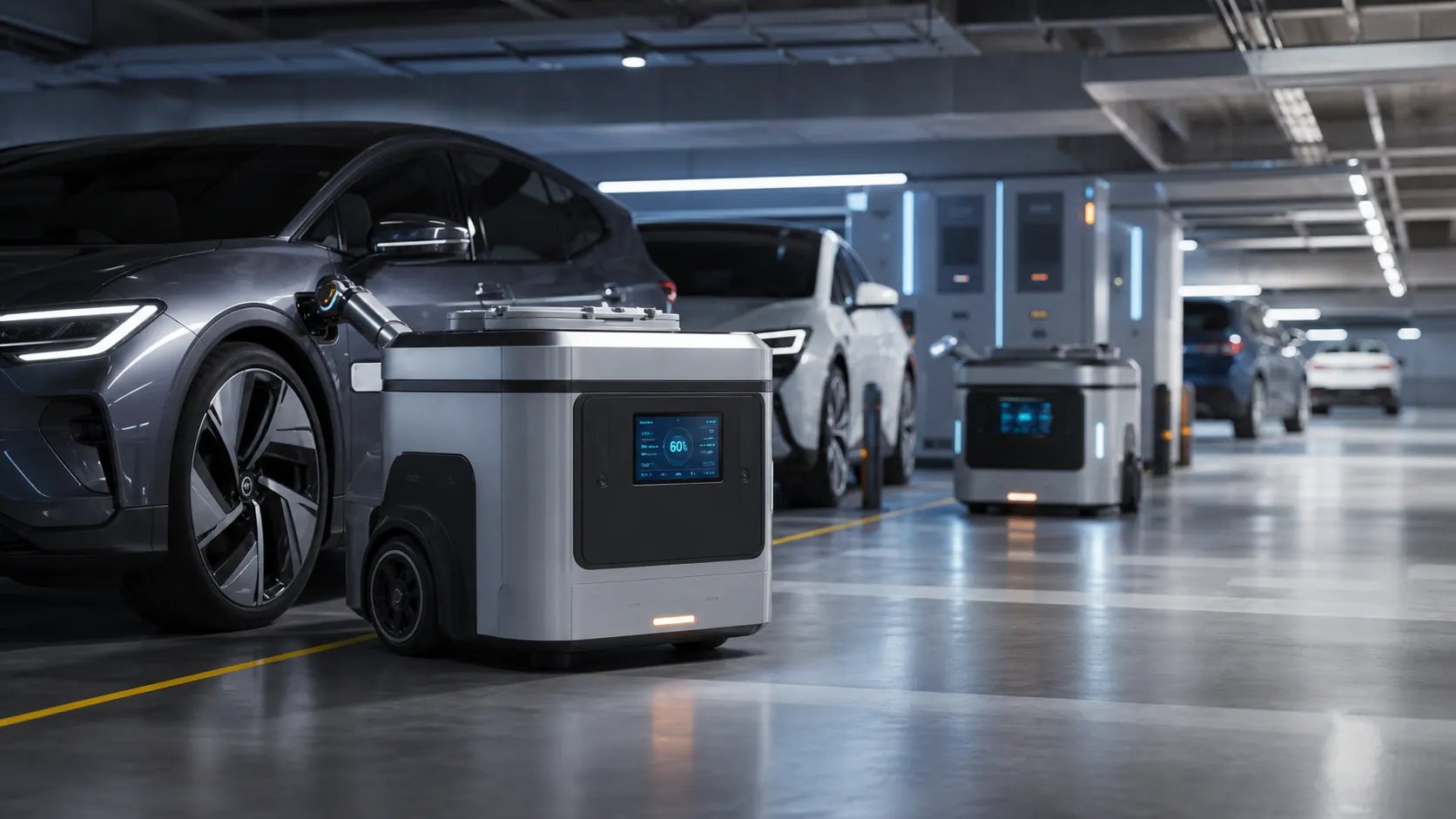
new energy technology company in Sichuan has long been deeply involved in the charging operation market in Southwest China. It possesses a mature channel network and a localized service team but lacks independent R&D capabilities. By adopting an OEM model for Xiaoli Charging products, it quickly launched its own brand of mobile charging robots to seize the regional market. These are mainly deployed in core commercial districts, large parking lots, and new energy ride-hailing vehicle gathering areas in Chengdu, providing emergency charging and slow charging at night. Behind this order is the common appeal of numerous regional small and medium-sized enterprises. They are unwilling to bear the heavy asset burden of R&D but are eager to capture a share of the fast-growing EV charging market. The OEM model lowers the technical threshold, allowing channel distributors to focus on operations and services, thereby accelerating the deployment of mobile charging equipment across various regions. Brand Diversification and Deeper Channel Penetration: The charging market is no longer solely dominated by giants. Regional brands are quickly establishing local recognition through OEM partnerships, forming a coexistence pattern of "national brands + regional brands." As a technology enabler, Xiaoli Charging is becoming the "Android system" of the mobile charging field.

05

Reshaping the EV Charging Experience

ride-hailing rental company in Guangdong, gaining insight into the pain points of vehicle owners experiencing "charging difficulties and long queues," decided to expand into on-demand mobile charging services. It plans to establish a "mobile charging service network" in cities such as Guangzhou, Shenzhen, and Dongguan. Users can place orders through a mini-program, and robots will find and charge the vehicle. Consequently, the company purchased mobile charging robots (fast charging and multi-protocol compatibility) from Maase Inc., along with a complementary intelligent dispatching platform. This project confirms the market's high demand for mobile charging services. Land resources in top-tier cities are tight, and the construction costs of fixed charging stations are high with uneven utilization rates. Mobile robots, with their flexibility, have become an important energy supplement The instant service economy permeates the new energy sector: Just as food delivery and errand-running have changed lifestyles, door-to-door charging is reshaping vehicle owners' power replenishment habits. High customer unit prices (service fee + electricity fee) and high frequency (daily charging for ride-hailing vehicles) constitute a sustainable profit model, attracting capital and entrepreneurs.

06

Upgrading Rescue System

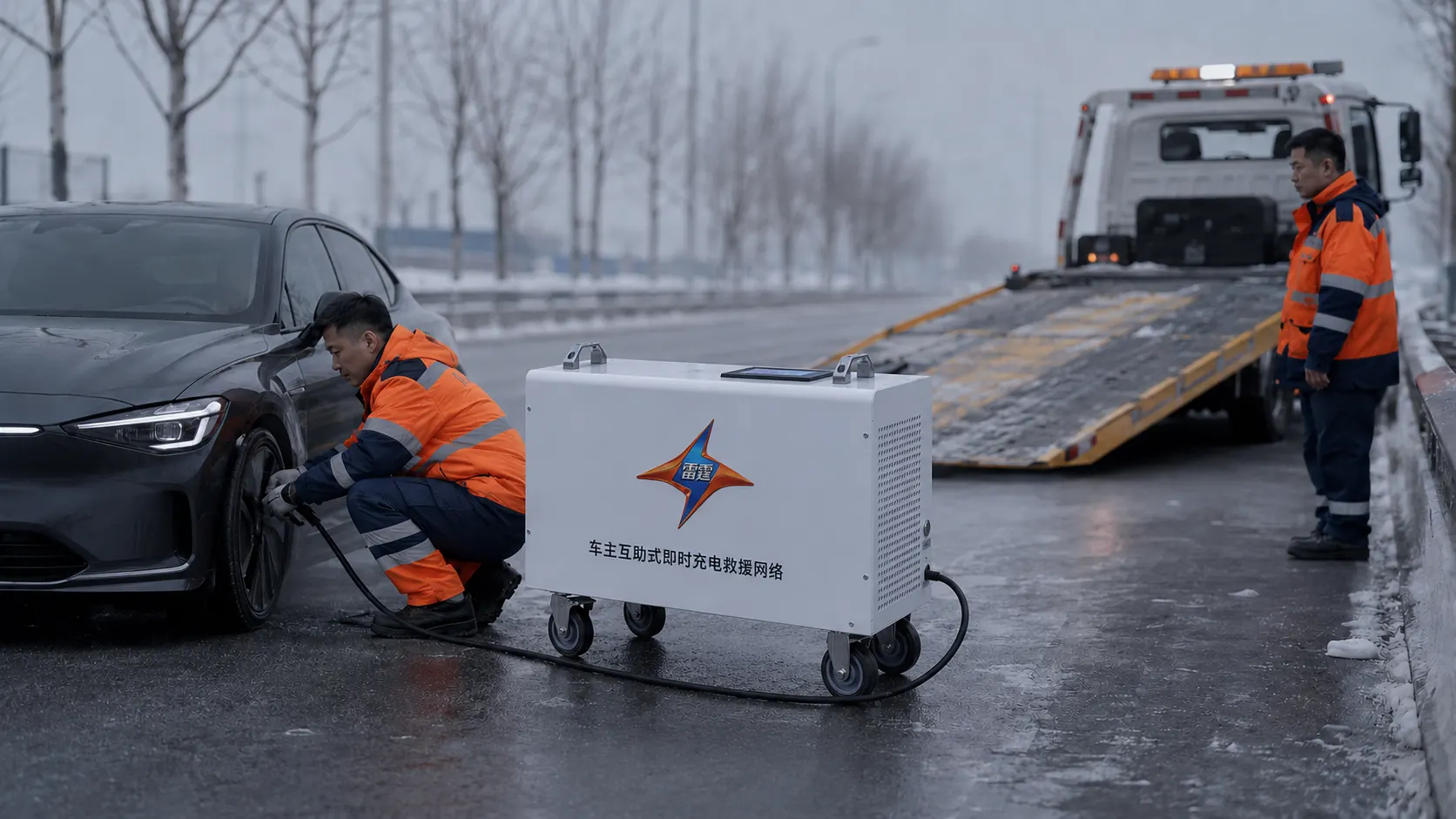
traditional road rescue company in Taiyuan has over 20 years of experience in towing fuel vehicles. With the popularization of electric taxis and buses, the demand for rescuing malfunctioned EVs has surged. However, towing costs are high and efficiency is low, creating an urgent need to upgrade rescue system. The company purchased vehicle-mounted mobile charging robots from Maase Inc. to replace some of its traditional tow trucks. This achievement allows for the replenishment of 200 kilometers of range for vehicles with depleted batteries in just 30 minutes, reducing rescue costs by 60%. With the explosive growth of the aftermarket of EVs, the transformation of traditional rescue services is imminent: This order stems from needs of traditional enterprises, reflecting new pain brought by the increasing ownership of EVs. Insurance companies, rescue companies, and auto dealerships and service centers all require more efficient "emergency tools," and mobile charging robots are rapidly becoming standard rescue equipments.